

Should You Buy and Sell at the Same Time in Sudbury?
If you’re planning a move, one of the biggest questions you’ll face is whether you should buy and sell at the same time in Sudbury. It’s a common dilemma and for good reason. Timing both transactions correctly can mean the difference between a smooth transition and a stressful (and potentially costly) experience.
For many homeowners, the challenge isn’t just logistics, it’s risk. What if your home doesn’t sell in time? What if you find your dream home before you’re ready? The good news is that there are several strategies available, and the right one depends heavily on your financial position, risk tolerance, and current market conditions in Sudbury.
Let’s break down your options and how to decide what works best for you.
Understanding the Sudbury Real Estate Market
Before choosing a strategy, it’s important to understand the local market. Sudbury tends to experience moderate price fluctuations compared to larger urban centers, but inventory levels and demand can still shift throughout the year.
Seller’s market (low inventory, high demand): Homes sell quickly, often with multiple offers.
Buyer’s market (high inventory, lower demand): Homes take longer to sell, and buyers have more negotiating power.
Balanced market: Conditions are relatively stable.
Your approach to buying and selling at the same time in Sudbury should adapt to these conditions.
Option 1: Sell First, Then Buy
This is the most conservative and risk-averse strategy.
How It Works:
You list your current home, sell it, and then begin shopping for your next property.
Pros:
You know exactly how much money you have to work with
No risk of carrying two mortgages
Stronger negotiating position when buying (especially with no conditions)
Cons:
You may need temporary housing
Pressure to find a new home quickly
Risk of rising home prices while you search
When This Works Best:
In a buyer’s or balanced market
If you prefer financial certainty
If you’re comfortable with short-term inconvenience
Option 2: Buy First, Then Sell
This approach flips the sequence and can feel more comfortable emotionally—but it carries more financial risk.
How It Works:
You purchase your new home before selling your current one.
Pros:
No need to rush your home search
You can move once, on your own timeline
Less disruption to your daily life
Cons:
Risk of owning two homes at once
Financial strain if your current home doesn’t sell quickly
May require bridge financing or a larger down payment
When This Works Best:
In a seller’s market where homes sell quickly
If you have strong financial flexibility
If you’ve found a home you don’t want to lose
Option 3: Conditional Offers
Conditional offers attempt to balance risk by tying one transaction to the other.
How It Works:
You make an offer on a home that is conditional on selling your current property.
Pros:
Reduces financial risk
Gives you time to sell your home
Avoids carrying two properties
Cons:
Sellers may reject your offer, especially in competitive markets
Can limit your negotiating power
Adds complexity to the transaction
When This Works Best:
In a balanced or buyer’s market
When sellers are more open to conditions
If your home is already listed or likely to sell quickly
Option 4: Bridge Financing
Bridge financing is a short-term loan designed to “bridge” the gap between buying and selling.
How It Works:
If you’ve bought a home and your current one hasn’t closed yet, a lender provides temporary financing to cover the down payment or purchase.
Pros:
Allows you to buy before your sale closes
Reduces timing pressure
Enables smoother transitions between homes
Cons:
Additional costs (interest, fees)
Requires firm sale agreement on your current home
Approval depends on your financial situation
When This Works Best:
When your current home is already sold but hasn’t closed
When closing dates don’t align
If you want to avoid rushed decisions
How Sudbury Market Conditions Affect Your Decision
Your strategy shouldn’t exist in a vacuum, it needs to reflect what’s happening locally.
In a Seller’s Market:
Buying first can be safer because your home is likely to sell quickly
Conditional offers may be less competitive
Bridge financing is commonly used
In a Buyer’s Market:
Selling first is usually the safer route
You’ll have more time to shop for a home
Sellers may be more open to conditional offers
In a Balanced Market:
You have flexibility
The best option depends more on your personal finances and timeline
Key Questions to Ask Yourself
Before deciding how to buy and sell at the same time in Sudbury, consider:
How comfortable am I with financial risk?
Do I have savings to cover unexpected costs?
How quickly are homes selling in my neighborhood?
Am I willing to move twice if necessary?
Is there a specific home I don’t want to lose?
Your answers will point you toward the most appropriate strategy.
Common Mistakes to Avoid
Even experienced homeowners can run into trouble when juggling both transactions.
Underestimating timing: Closings rarely line up perfectly
Overextending financially: Carrying two mortgages can add up quickly
Skipping contingencies: Removing conditions too early can increase risk
Ignoring market signals: Strategy should match current conditions
Being proactive and informed can help you avoid these pitfalls.
Final Thoughts
There’s no one-size-fits-all answer to whether you should buy and sell at the same time in Sudbury. Each option, whether selling first, buying first, using conditional offers, or relying on bridge financing, comes with its own trade-offs.
The key is aligning your strategy with both your personal situation and the local market. A well-planned approach can reduce stress, protect your finances, and give you confidence throughout the process.
Ready to Take the Next Step?
If you’re planning to make a move and want a clear, step-by-step plan tailored to your situation:
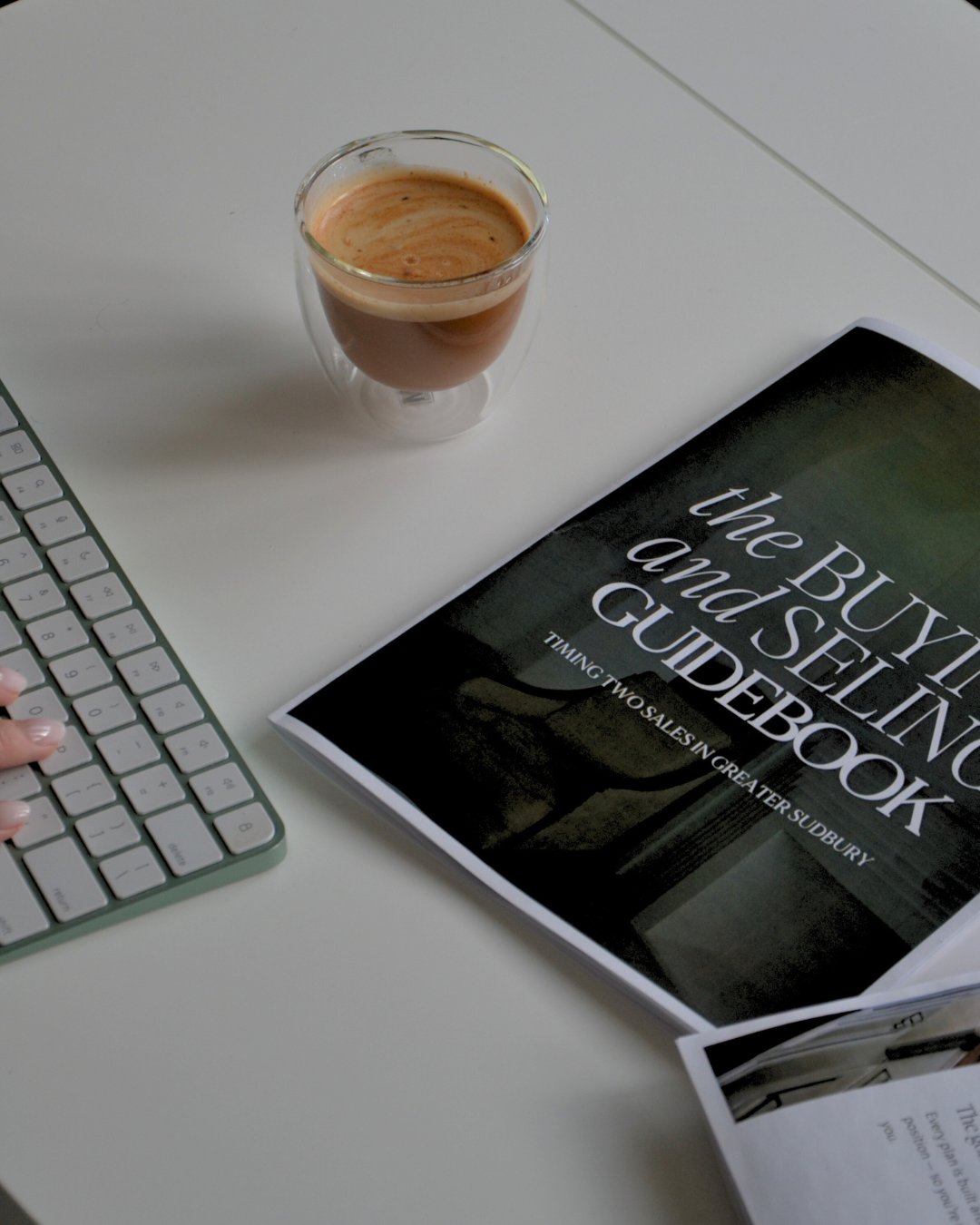
Download Buy + Sell at the Same Time Guide
This resource will walk you through timelines, financing options, and expert tips to help you coordinate your sale and purchase with confidence.